Navigating Secure Transaction Protocols for UK Players Exploring Live Roulette Variants on Regulated Mobile Platforms
Eden Zimmermann · Aug 23, 2026
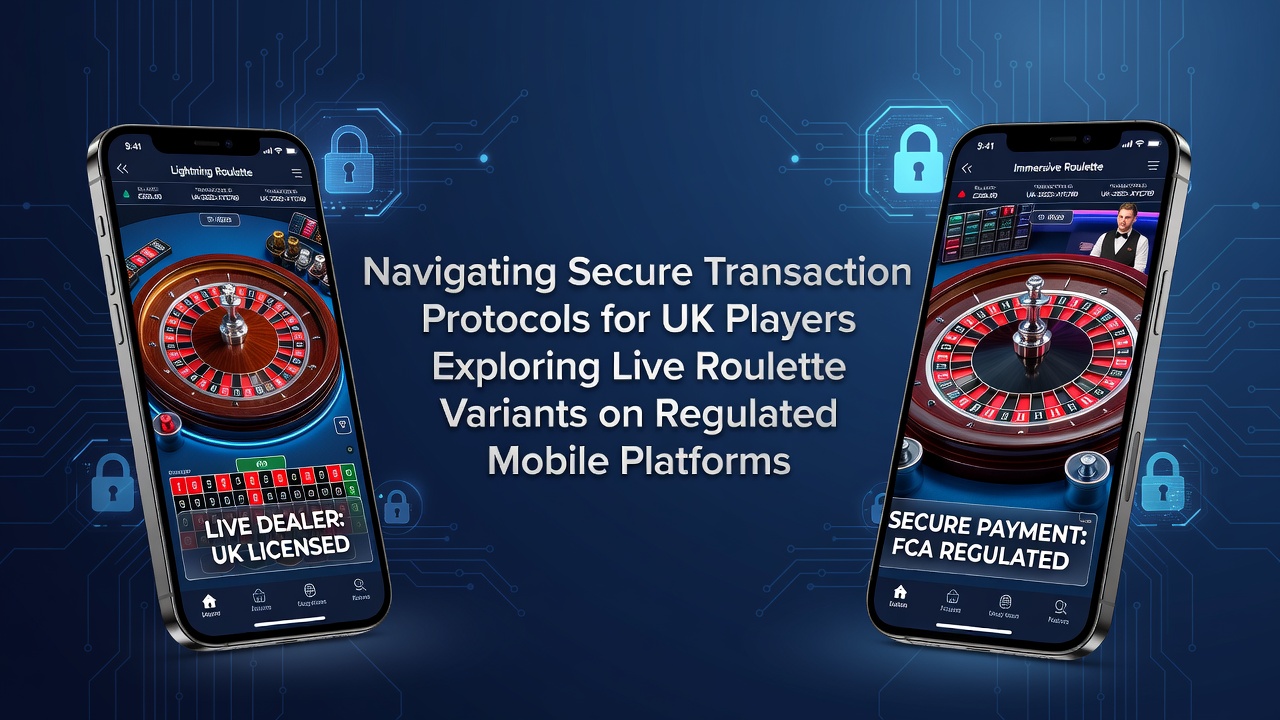
Navigating Secure Transaction Protocols for UK Players Exploring Live Roulette Variants on Regulated Mobile Platforms
UK players accessing live roulette variants on regulated mobile platforms encounter a range of transaction protocols designed to protect financial data during deposits and withdrawals, and these systems rely on established encryption standards along with authentication layers that operate continuously in the background. European roulette, American roulette, and French roulette each present distinct wheel configurations and betting options, yet the underlying payment security measures remain consistent across platforms that comply with international data protection requirements. Observers note that protocols such as TLS 1.3 encryption handle data transmission while tokenization replaces sensitive card details with unique identifiers that hold no value if intercepted.
Core Components of Transaction Security in Mobile Gaming
Secure transaction flows begin with device-level authentication where biometric verification or PIN entry confirms user identity before any funds move, and this process connects directly to payment gateways that enforce 3D Secure protocols for added verification steps during card transactions. Researchers at institutions tracking digital payment trends have documented how multi-factor authentication reduces unauthorized access incidents across mobile applications, while data from the PCI Security Standards Council indicates that tokenization combined with end-to-end encryption meets compliance benchmarks for handling player funds in real time. Live roulette sessions require rapid fund transfers because bets occur continuously, so platforms integrate these protocols without interrupting gameplay flow, and the result appears in seamless balance updates that reflect wins or losses instantly.
Regulatory Frameworks Supporting Secure Protocols
Regulated mobile platforms operate under oversight from bodies outside the UK, including the Malta Gaming Authority and the Nevada Gaming Control Board, which mandate regular audits of transaction systems to verify ongoing compliance with security standards. These audits examine how platforms manage encryption keys, store transaction logs, and respond to potential breaches, and findings from such reviews feed into broader industry reports that guide updates to payment infrastructure. In August 2026, platforms are expected to align further with evolving EU directives on digital finance that emphasize stronger consumer authentication methods, and this alignment affects how UK players experience fund movements on mobile devices regardless of the specific roulette variant in play.
Players exploring French roulette often encounter the same payment interface as those choosing American roulette because the variants share backend transaction processing even though wheel layouts and rule sets differ, and this uniformity allows security protocols to apply uniformly across game types. Data from cybersecurity assessments shows that platforms employing hardware security modules for key management achieve lower rates of data exposure during high-volume periods, and these modules work alongside application programming interfaces that connect the mobile app directly to banking networks without exposing raw account information.
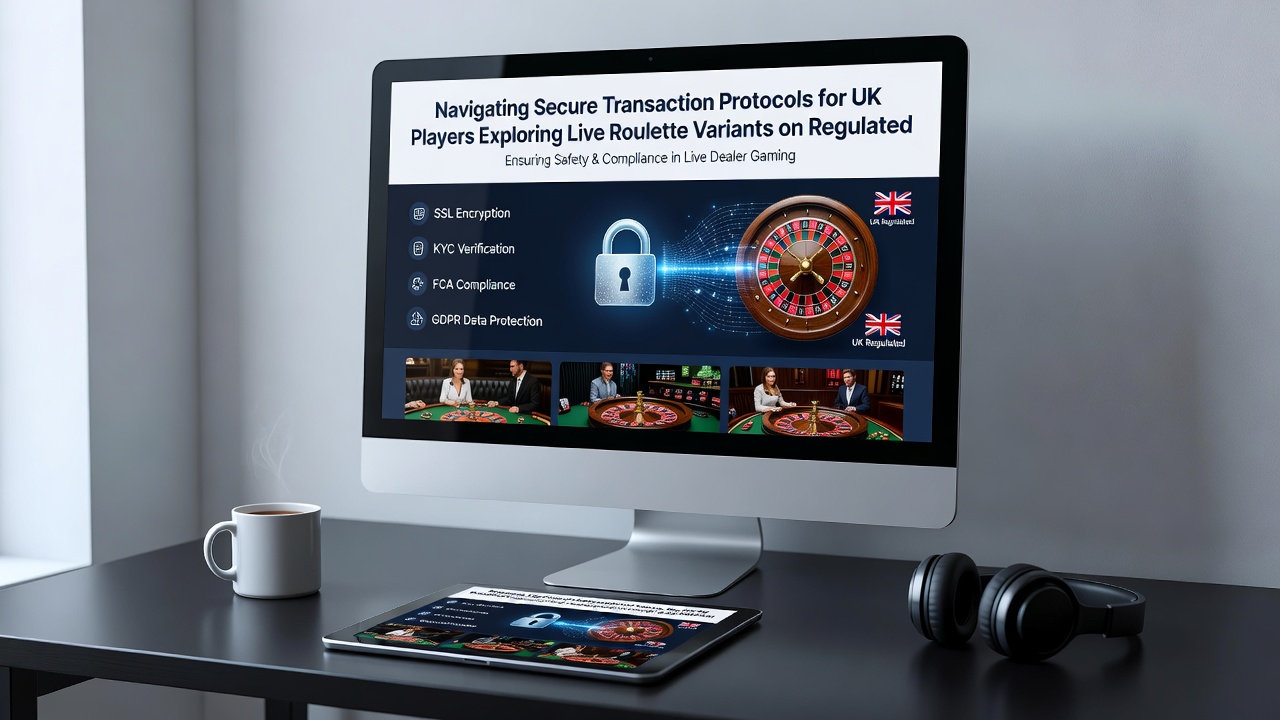
Practical Steps for Protocol Navigation
Users begin by confirming that the mobile application displays current security certificates through browser or app settings, and this verification step confirms that connections use updated TLS versions rather than legacy encryption methods. Next comes selection of payment methods that support token-based processing, such as digital wallets or cards enrolled in 3D Secure programs, because these options route transactions through additional verification servers before funds reach the platform account. Those who have studied transaction logs from regulated operators note that withdrawal requests trigger the same encryption sequence as deposits, and this symmetry helps maintain consistent protection levels throughout the player lifecycle on any given roulette variant.
Industry organizations including the European Network and Information Security Agency publish guidelines on mobile payment security that operators reference when updating their systems, and these documents detail best practices for handling session tokens that expire after short periods to limit exposure windows. UK players therefore encounter prompts for re-authentication during extended live roulette sessions, and such prompts serve as checkpoints that reinforce the protocol chain without requiring manual intervention from the user beyond standard biometric confirmation.
Integration of Security Across Roulette Variants
Live dealer interfaces for each roulette type transmit bet information and payout data over the same encrypted channels, which means the choice between variants does not alter the fundamental transaction security experience. Platforms maintain separate game servers for European, American, and French versions yet route all financial activity through a centralized payment processor that applies uniform compliance checks. Evidence from academic studies on gambling technology indicates that this centralized approach simplifies audit trails and reduces the number of potential vulnerability points that could arise from variant-specific payment modules.
Emerging Developments in Protocol Standards
Updates scheduled for implementation around August 2026 include wider adoption of quantum-resistant encryption algorithms within mobile gaming environments, and these algorithms aim to future-proof transaction data against advances in computing power. Platforms testing these protocols report compatibility with existing mobile operating systems, and the transition occurs through background updates that do not require players to alter their login routines. Observers tracking payment security trends highlight that such developments build upon current TLS frameworks rather than replacing them outright, allowing gradual rollout across regulated operators serving UK audiences.
Conclusion
Secure transaction protocols on regulated mobile platforms provide the foundation for UK players to engage with live roulette variants while financial data remains protected through layered encryption, tokenization, and authentication measures. These systems operate consistently across European, American, and French roulette options because payment processing occurs independently of game rules. Continued alignment with international standards ensures that transaction integrity keeps pace with technological shifts, and this consistency supports ongoing access to live dealer environments on mobile devices.