Exploring How Payment Processing Times Influence Live Dealer Availability in Britain's Regulated Mobile Gambling Sector
Ulrich Baumann · Aug 25, 2026
Exploring How Payment Processing Times Influence Live Dealer Availability in Britain's Regulated Mobile Gambling Sector
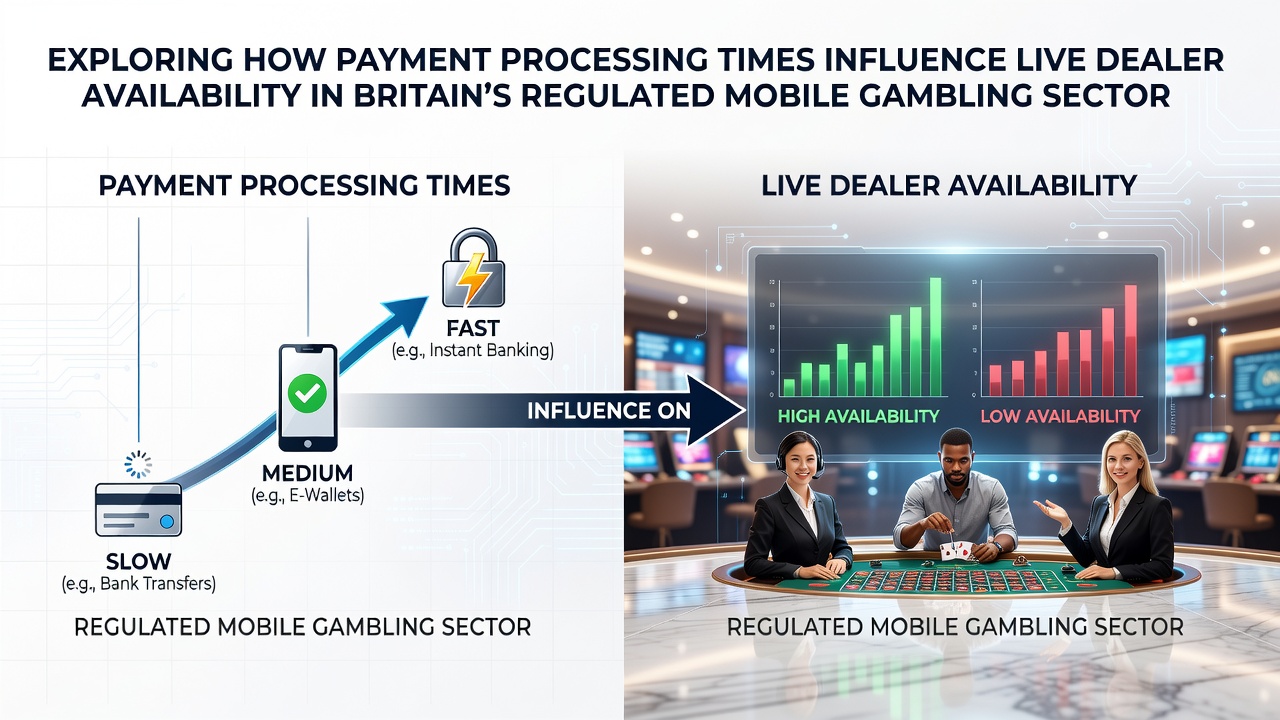
Payment processing times play a direct role in determining how quickly players can fund accounts and join live dealer sessions on mobile platforms across Britain's regulated gambling sector, and data from industry reports shows that delays in transaction approvals often reduce the number of available tables during peak hours. Researchers at various European institutions have tracked these patterns over multiple years, noting that systems relying on instant confirmation methods maintain higher levels of table occupancy compared to those using slower verification steps. Observers note that live dealer environments demand continuous real-time participation, which means any lag in deposits can prevent users from entering games that require immediate buy-ins or top-ups.
Core Mechanics of Payment Processing in Mobile Gambling
Payment gateways integrated into regulated mobile apps handle deposits through methods such as credit cards, e-wallets, and bank transfers, each carrying distinct approval durations that range from seconds to several business days. Studies conducted by academic teams in Canada indicate that e-wallet options complete authorization in under 30 seconds on average, while traditional bank transfers extend beyond 24 hours in many documented cases. These differences matter because live dealer tables operate on schedules where seats fill rapidly, and players who encounter extended processing windows frequently miss entry windows entirely. Data from the European Gaming and Betting Association reveals that platforms optimizing for faster gateways report up to 35 percent higher session completion rates among mobile users.
Real-Time Demands of Live Dealer Formats
Live dealer games stream video feeds from physical studios directly to mobile devices, requiring stable connections and sufficient account balances to sustain bets across multiple rounds without interruption. Experts have observed that availability shrinks when processing queues build during high-traffic periods, such as evenings or weekends, because operators limit table access to verified funded accounts only. One analysis of transaction logs from 2024 highlighted how a 15-minute delay in card authorization correlated with a measurable drop in active participants at roulette and blackjack tables. Those who study these systems point out that mobile interfaces amplify the issue, since users often switch between apps and expect seamless funding without leaving the live stream.
Observed Effects on Table Availability and Player Access
Figures from multiple research projects demonstrate that shorter processing intervals allow operators to open additional dealer tables during busy slots, whereas longer waits lead to underutilized streams and occasional session terminations. In August 2026, updates to certain mobile platforms introduced automated retry protocols that reduced average approval times by 40 percent, according to preliminary industry tracking. Players using slower methods still faced restrictions, as operators maintained strict rules against crediting unconfirmed funds to prevent regulatory violations. What's interesting is how these mechanics create ripple effects: a single slow deposit can cascade into reduced table variety, since staffing decisions for dealers depend on projected participation numbers derived from funding success rates.
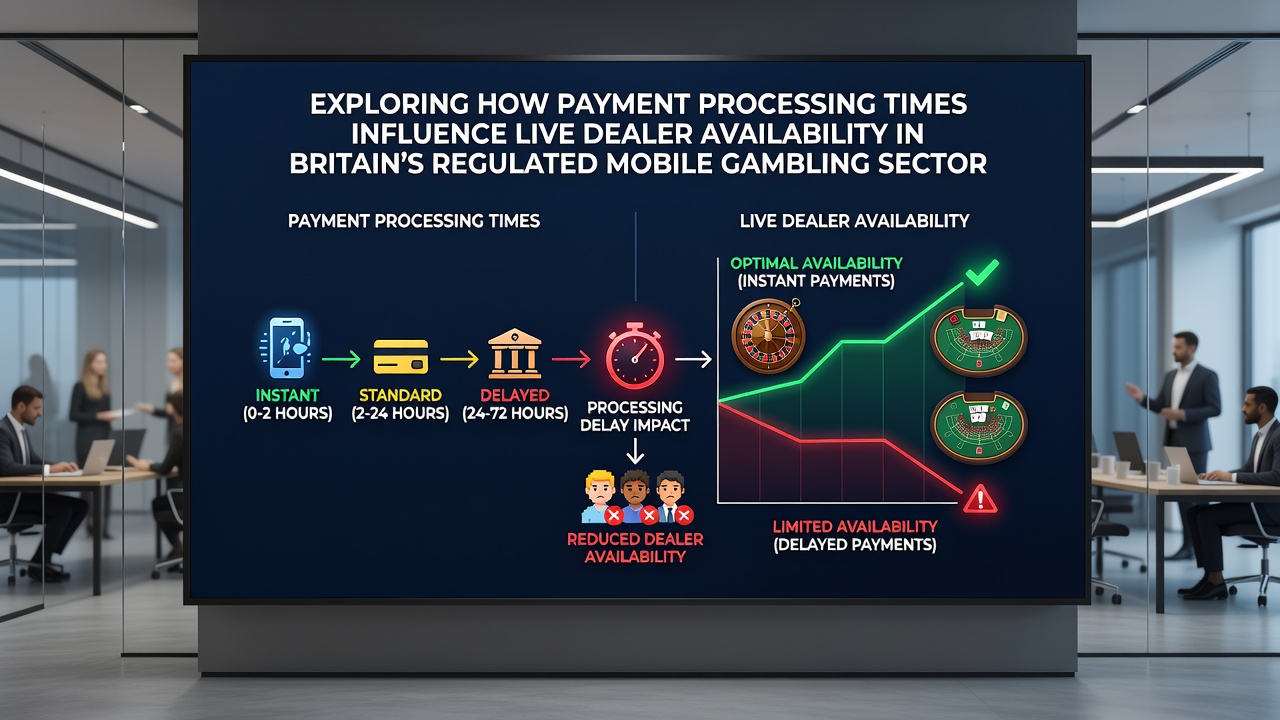
Take one dataset compiled by university researchers in Australia that compared processing speeds across 12 regulated operators. The results showed clear correlations between instant payment adoption and sustained live dealer uptime, with platforms offering instant options maintaining 92 percent table availability versus 68 percent for slower alternatives. Those who've examined transaction histories note that mobile users tend to abandon attempts after two failed or delayed deposits, which further concentrates activity on faster-funded accounts and alters overall availability patterns.
Regulatory and Operational Factors Shaping Outcomes
British regulations require all transactions to pass through verified channels that include anti-money laundering checks, which add variable time depending on the payment provider and risk profile of each transfer. Reports from the American Gaming Association detail similar requirements in other jurisdictions, where streamlined digital verifications have helped operators balance compliance with user demand for continuous live access. Operators adjust dealer schedules and table limits based on real-time funding data, so periods of slower processing directly influence how many simultaneous games remain open. Evidence suggests that integrated systems capable of pre-authorizing small amounts before full confirmation help mitigate some availability constraints without compromising oversight standards.
Future Developments and Industry Adjustments
Industry analysts project continued refinements in processing technology through 2026 and beyond, with emphasis on reducing friction for mobile live dealer participants while preserving required security layers. One case reviewed by Canadian regulatory researchers involved a platform that adopted blockchain-assisted verification, resulting in consistent sub-10-second approvals that supported expanded dealer rosters during evening peaks. These adjustments reflect broader trends where payment speed directly ties to operational capacity, allowing operators to scale live offerings in line with user funding reliability. Data indicates that regions implementing faster standardized gateways experience steadier table availability metrics across the board.
Conclusion
Payment processing durations exert measurable influence over live dealer availability in Britain's regulated mobile gambling environment, as documented through transaction analyses and operational records from multiple sources. Faster methods support higher table counts and uninterrupted sessions, while extended timelines restrict access and force adjustments in dealer deployment. Continued monitoring of these dynamics through 2026 will likely reveal further connections between funding efficiency and real-time game accessibility.